DryCOAT aims at developing equipment and media for safe and sustainable electroplating and anodizing technologies, based on patented dry electrolytes.
Top benefits of dry electrolytes are:
Safe and more environmentally friendly process of electroplating and anodizing
Consistent surface finish across the entire product in terms of homogeneous thickness of the coating
Prevention of hydrogen embrittlement
Ecofriendly recycling of electrolytes and reduced cost of waste disposal
Lower temperature requirements
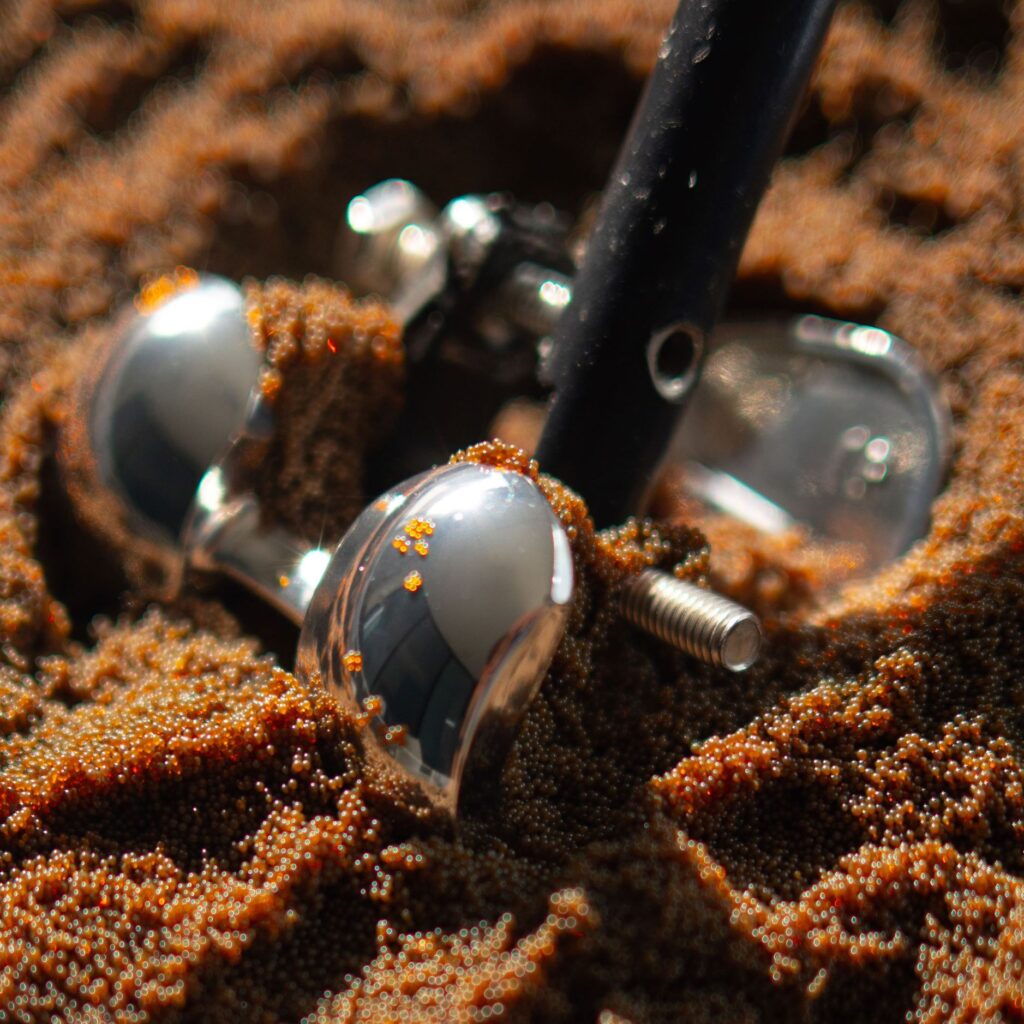
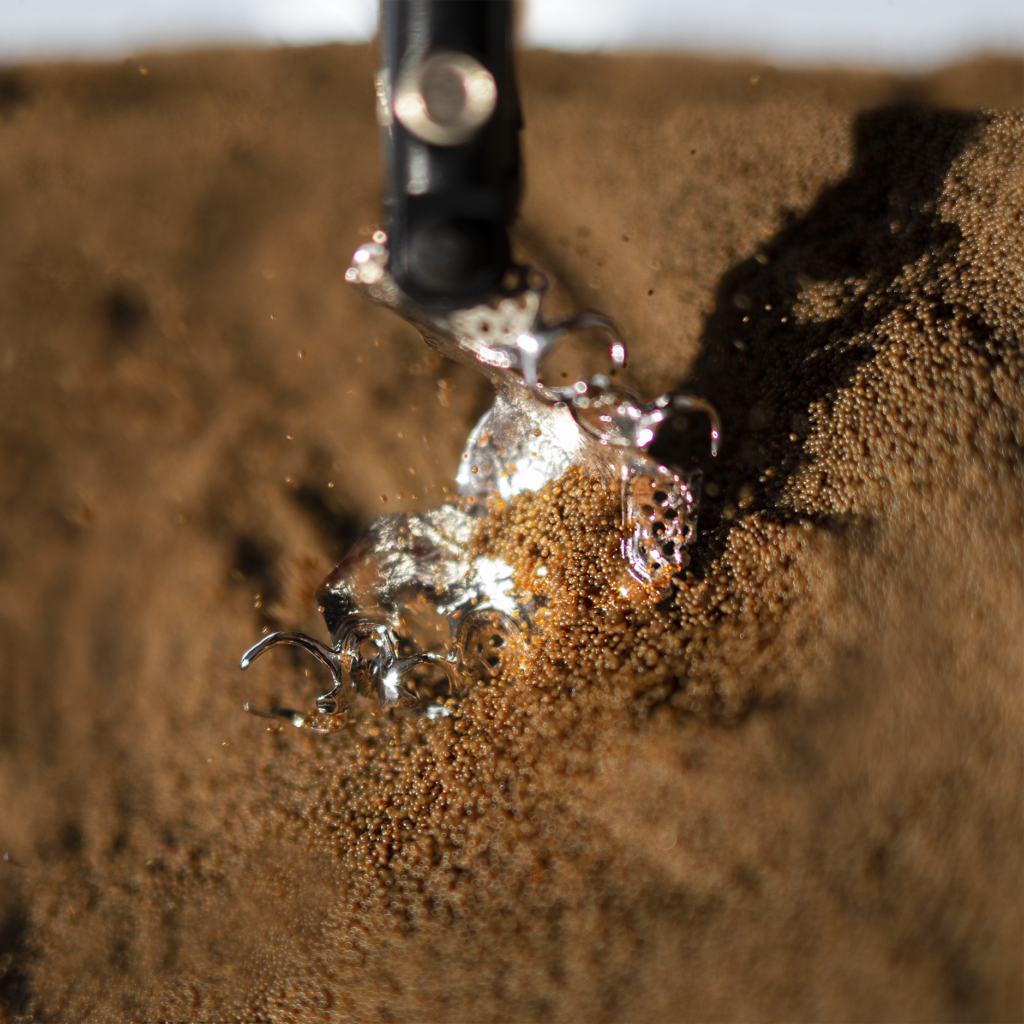
Dry electrolytes are a revolutionary alternative to liquid electrolytes. They are safer and less hazardous to handle, providing a far better performance and safety profile than the tank of acid aqueous solutions used in conventional electropolishing. Using dry electrolytes reduces risks and the contamination of the environment is much lower than with liquid electrolytes.
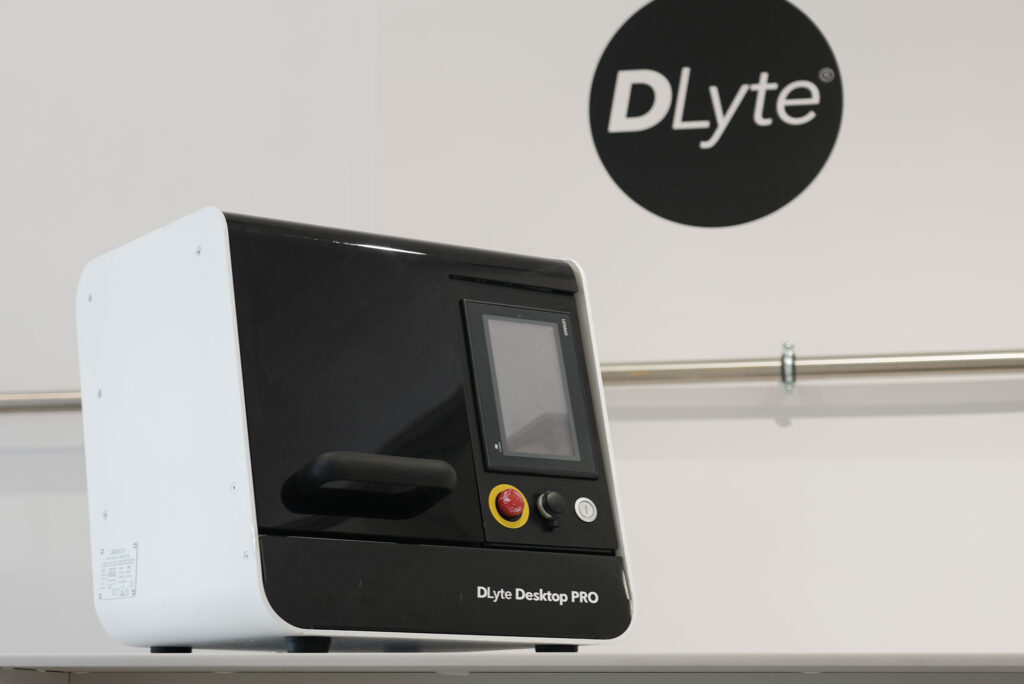
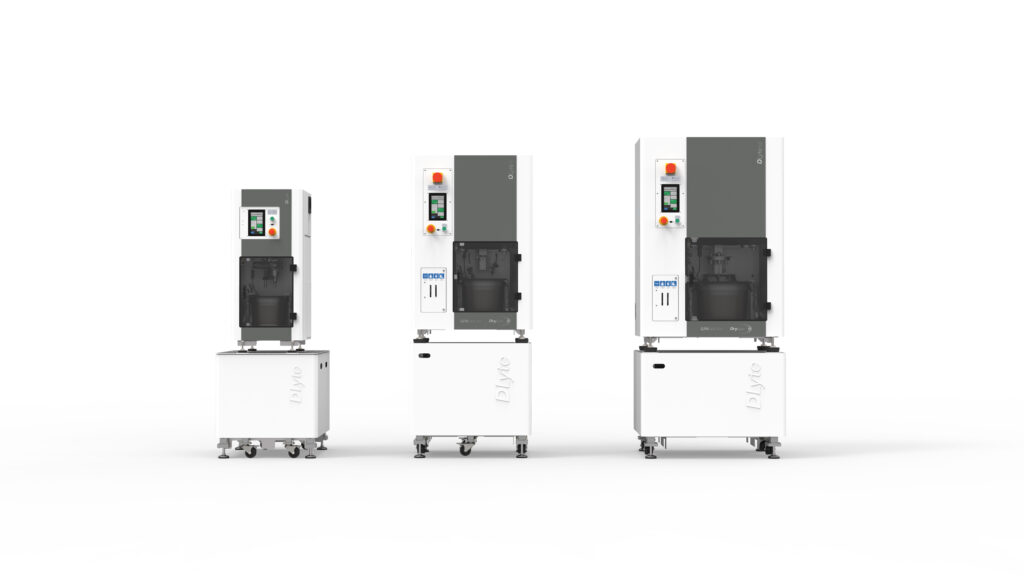
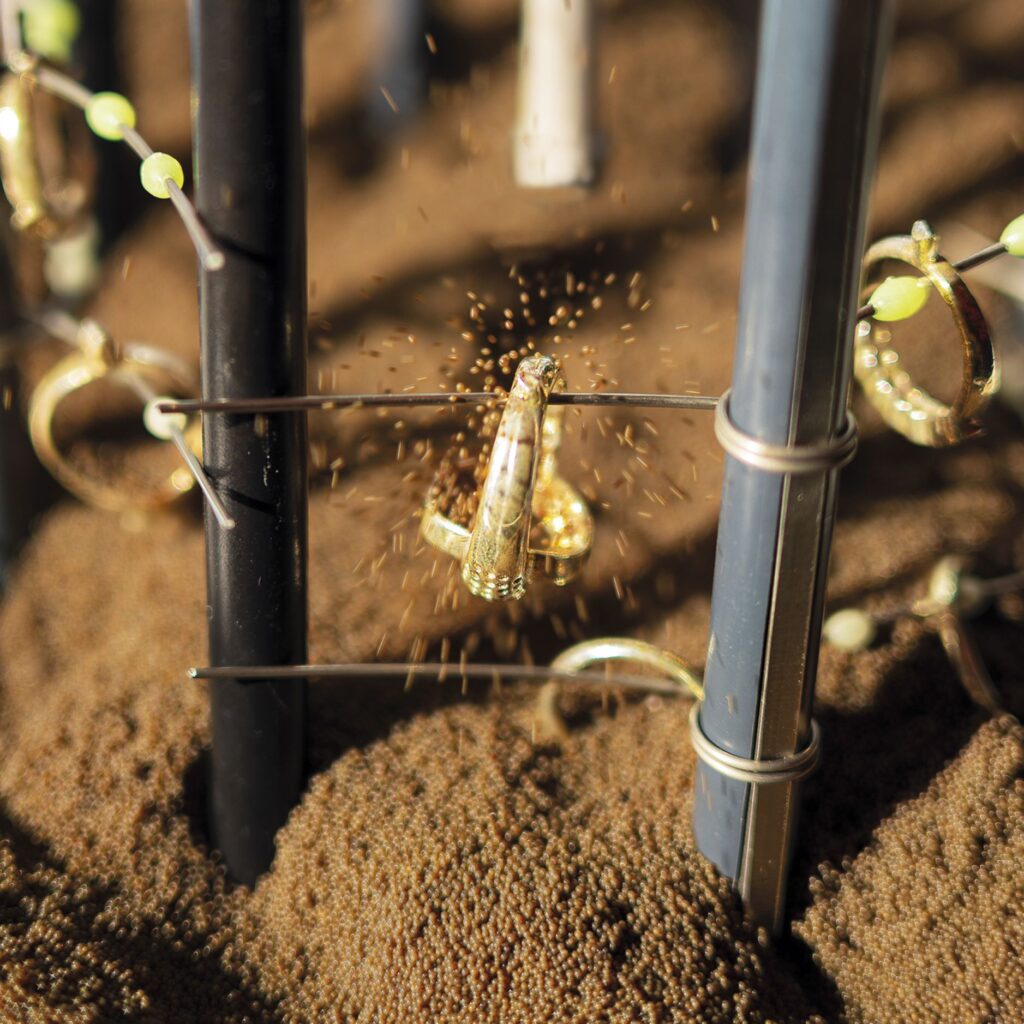
DLyte® represents a huge leap forward in surface polishing effectiveness and safety and brings the process in reach for smaller manufacturers. In the DryCOAT project, a step forward is done by demonstrating that this technology also leads to anodize and platting complex geometries.
Application
Dry electrolytes will be optimized and up-scaled for Ti anodizing and for electroplating of Cu, Ni and precious metal coatings.
Solid-state electrolyte particles comprising base polymer particles will be modified by the addition of certain chemicals, salts and acids.
Process parameters to develop coatings that fulfil biomedical and jewelry requirements will be modeled and optimized and the equipment for dry anodizing and electroplating will be developed.
Partners
DryLyte brings its expertise in preparing, handling and controlling solid-state electrolyte particles.
The experience in handling the particles from its commercial raw state, to the clean state before being transformed into solid electrolytes for polishings is directly relevant in the preparation process for solid electrolytes for anodising and electroplating.
Steros GPA will develop a new technology for metal coating and anodizing and will validate it for specific applications.
Steros GPA will contribute to the project with its background (summarised in a patent application: ES202130186A) and with its capacity and media to upscale dry surface treatments with solid electrolytes and to design and manufacture surface treatment devices.
BIONIC will contribute mainly in the development of the particle simulation models and the development of models that:
Predict how much surface has contact with the particles
Early identification of geometric parameters that may difficult the processes
Predict the thickness of the anodizing and plating
Predict the lifetime of the electrolytic bath
CIDETEC Surface Engineering, as a reference center in surface treatments, with extensive experience in electrochemical technologies, is subcontracted by both Spanish partners during the whole project.
CIDETEC Surface Engineering will collaborate in the development of the dry electrolytes for anodizing and plating and in the optimization of the processes.
CIDETEC Surface Engineering will also study the possible regeneration of the electrolytes after its depletion.
CIDETEC Surface Engineering will contribute to the fabrication of the demonstrators for the validation of the developed technologies for the jewellery and biomedical markets.